Allergy-Safe Bouquets from Marylebone Florists: What to Ask
Posted on 17/09/2026
If you've ever sent flowers and then worried, a little late in the day, whether the bouquet might trigger sneezing, itchy eyes, or a full-on allergy flare-up, you're not alone. Choosing allergy-safe bouquets from Marylebone florists is a thoughtful way to send something beautiful without accidentally making the moment uncomfortable. The tricky part is knowing what to ask. Some flowers are more likely to shed pollen, some arrangements are simply better designed for sensitive households, and some florists are much more careful about substitutions than others. This guide walks you through the questions to ask, the flowers to consider, and the practical signs of a genuinely allergy-aware service.
Whether you're ordering for a home, an office, a hospital visit, or a special occasion in W1, the goal is the same: a bouquet that feels generous, looks elegant, and plays nicely with real life. Let's make that easier.
Why Allergy-Safe Bouquets from Marylebone Florists: What to Ask Matters
Flowers are one of those gifts that seem easy until they aren't. A bouquet may look soft and romantic on the outside, but for someone with hay fever, asthma, fragrance sensitivity, or a general pollen allergy, the wrong stems can turn a lovely gesture into a very irritating afternoon. And yes, sometimes the reaction is more about the environment than the flower itself: pollen on leaves, loose petals on a table, strong scent in a smaller room, or even dust and plant debris in the wrapping.
That's why asking the right questions matters. In practice, "allergy-safe" does not usually mean guaranteed allergen-free-because with living flowers, a total guarantee is rarely realistic. What it does mean is careful flower selection, lower-pollen design, thoughtful conditioning, and honest advice from the florist. A good Marylebone florist should be able to explain what's in the bouquet, how it has been arranged, and what alternatives may suit a sensitive recipient better.
In a busy London setting, that practicality matters even more. A bouquet for an office desk in Marylebone, a flat with limited ventilation, or a bedside table in a smaller room may need a quieter, lower-fragrance option than a big, lush display for a wedding breakfast. Different setting, different rules. Simple enough, but easy to forget when you're choosing from a screen in a hurry.
Key point: the best allergy-aware bouquet is not just "pretty and pale." It is chosen with the recipient's sensitivities, the room, and the occasion in mind.
How Allergy-Safe Bouquets from Marylebone Florists: What to Ask Works
At the heart of it, the process is about narrowing down three things: the flowers themselves, the styling of the bouquet, and the way the florist handles substitutions or special requests. If you ask a florist the right questions before ordering, you can usually remove a lot of uncertainty.
Start with the flowers. Some blooms are naturally more likely to release visible pollen, while others tend to be better tolerated. Lilies, for example, are a common concern because of their pollen and fragrance. Other flowers may be fine for many people but still not ideal if scent sensitivity is part of the picture. A florist who understands allergy-safe requests will know the difference between a flower that is simply fashionable and one that is genuinely suitable.
Then look at arrangement style. A bouquet with tightly packed blooms, minimal pollen shed, and clean finishing materials is often better than a very loose arrangement with lots of open stamens. Sometimes a vase arrangement is more practical than a hand-tied bouquet, especially if the recipient does not want to handle stems or trim ends. If the delivery is going straight into a room that gets used all day, that can make a surprising difference.
Finally, ask about substitutions. Florists do this all the time, especially when seasonal availability changes. The best practice is to confirm that any substitution will stay within the allergy-friendly brief. No one wants a careful order replaced, at the last minute, with a strongly scented bloom just because it looked "nice." That would be a bit of a headache, frankly.
What to ask before you order
- Which flowers in this bouquet are lowest in pollen?
- Are there any strongly scented stems or fillers I should avoid?
- Can you exclude lilies, hyacinths, or other high-scent flowers if needed?
- Is the bouquet suitable for someone with hay fever or fragrance sensitivity?
- Can you keep the arrangement simple, with fewer pollen-heavy blooms?
- Will substitutions stay within the allergy-safe brief?
- Do you offer vase arrangements or wrapped styles that reduce handling?
- Can you suggest a safer colour palette or flower mix for a sensitive recipient?
If the answers are vague, that is usually a clue. If they are specific, calm, and practical, you are in good hands.
Key Benefits and Practical Advantages
There are obvious emotional benefits to sending flowers thoughtfully. But allergy-safe selection also brings a few practical wins that people sometimes overlook.
1. The gift is actually usable. That sounds obvious, but it matters. A bouquet can be admired without causing discomfort. The recipient can enjoy the gesture instead of managing sneezing, watering eyes, or moving the arrangement to another room.
2. It shows you paid attention. When you have asked about scent, pollen, and flower choice, the gift feels more personal. That care is noticeable. Truth be told, people remember the thought behind the flowers just as much as the flowers themselves.
3. It reduces awkwardness. Nobody wants to receive a beautiful bouquet and then feel bad for saying, "I'm allergic." An allergy-aware option takes that pressure away.
4. It suits more settings. Offices, reception areas, care environments, shared homes, and small flats can all benefit from lower-scent, lower-pollen arrangements.
5. It can be easier to maintain. Lower-pollen flowers and cleaner arrangements often shed less mess. Fewer petals under the vase, fewer loose stamens on the table, fewer little surprises on the windowsill.
There's also a commercial upside if you are ordering on behalf of a business or event. A considerate floral choice can feel polished and professional without being showy. It is one of those quiet details that tells people you know what you're doing.
Practical summary: allergy-safe bouquets are less about "special flowers" and more about smart selection, clear communication, and honest substitution rules. Ask well, and you usually get much better results.
Who This Is For and When It Makes Sense
This kind of bouquet makes sense for more people than you might think. It is not just for someone with a diagnosed allergy. In everyday life, mild sensitivity is common enough that it's worth planning for.
You should consider an allergy-aware bouquet if the recipient:
- has hay fever or seasonal allergies
- reacts badly to perfume or strong scent
- has asthma or breathing sensitivity
- works in a shared office or reception area
- keeps the bouquet in a small, enclosed room
- is in a hospital, care home, or recovery setting where fragrance should be modest
- has pets or children who may be more affected by loose petals and pollen
It also makes sense in common gifting moments: birthday flowers, sympathy flowers, thank-you bouquets, get-well arrangements, wedding flowers, and corporate gifting. For instance, a client meeting at a Marylebone office may call for something elegant but quiet; a grand scented bouquet might be lovely in a private dining room, but a bit much on a desk under bright lights for eight hours.
Here's the thing: the recipient does not need to be "very allergic" for this to matter. Even a mildly sensitive person can feel more comfortable with the right flowers. And comfort is part of good gift-giving, isn't it?
Step-by-Step Guidance
To get a genuinely suitable arrangement, work through the order like this.
1. Start with the recipient's sensitivity level
Ask yourself what you actually know. Is the issue pollen, scent, or both? If you do not know, keep the bouquet conservative. Simpler is safer.
2. Decide where the flowers will live
A bouquet for a spacious lounge is different from one for a bedside table or a small kitchen. If the room is compact, avoid strongly perfumed flowers and overly dense displays.
3. Choose lower-risk flowers
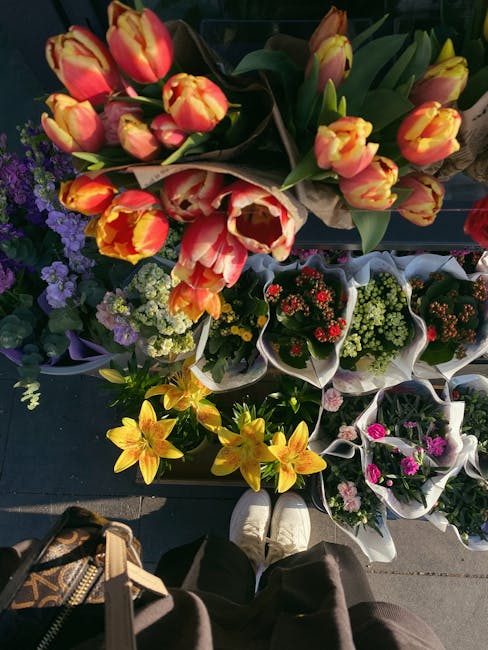
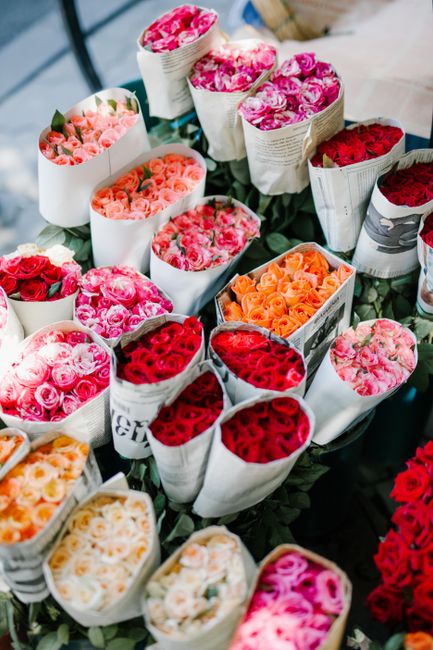
Florists can often guide you towards blooms that are generally friendlier for sensitive recipients. Roses, alstroemeria, carnations, chrysanthemums, and tulips are often discussed as lower-fragrance options, though tolerance varies from person to person. Some people do brilliantly with them; others still prefer a fully scent-minimised design. That variation is normal.
4. Ask for fewer pollen-heavy elements
Request that high-pollen or highly scented stems be avoided where possible. It sounds simple, but it makes a real difference. If the bouquet uses lilies, for example, ask whether they can be replaced.
5. Clarify the finishing details
Wrapping, foliage, ribbon, and decorative fillers can all affect the overall feel. The bouquet should be neat, well-conditioned, and free from excess debris. Nothing fancy needed. Just clean and considered.
6. Confirm the florist's substitution policy
If seasonal stock changes, you want reassurance that substitutions will preserve the allergy-friendly brief. A good florist will not casually swap in a strongly scented flower without checking.
7. Ask for care advice
Delivery is only half the story. The recipient should know how to place the bouquet, trim stems, change water, and remove fading blooms before they become messy. If you want a fuller guide, the florist's flower care advice is a useful place to start.
If the order is time-sensitive, you may also need a delivery option that fits the schedule. In that case, a service like same-day flower delivery in Marylebone W1 can help when you need to act quickly, while still asking the right allergy questions up front.
Expert Tips for Better Results
Over time, a few patterns stand out. The orders that go well are usually the ones with the clearest brief. The vague ones, unsurprisingly, are the ones that wobble.
Be specific about scent. "Mild scent only" is more useful than "nothing too much." Even better, say whether you want no fragrance, light fragrance, or simply low pollen.
Keep the colour brief separate from the allergy brief. It is easy to focus on pinks, whites, or mixed colours and forget the practical side. A florist can work within a colour preference, but the allergy instruction should come first.
Choose style over volume. Bigger is not always better. A thoughtfully arranged, medium-sized bouquet often feels more elegant than a huge, crowded one with too many competing textures.
Ask for vase readiness if the recipient will not want to handle it. That can be especially useful for older recipients, hospital visits, and office deliveries. It is one less thing to do.
Consider the season. Seasonal flowers are not just about value; they also tend to look more natural and may be easier to source in a suitable form. A florist with strong local knowledge will often know which stems are behaving well in a given week. Quite handy, really.
Use the occasion to guide the design. A sympathy bouquet should be calm and restrained. A birthday bouquet can be brighter but still allergy-aware. Wedding flowers can be tailored with a careful balance of scent, style, and longevity. If you need ideas across occasions, the florist's birthday flowers in Marylebone W1 and funeral flowers pages show how different floral styles can be adapted for purpose.
And one small but valuable tip: if the recipient has had a bad reaction before, mention the exact flowers that caused it. That detail is gold. Don't hide it in the final line of a message card. Tell the florist plainly.
Common Mistakes to Avoid
Most mistakes are understandable. People are ordering in a hurry, or they assume all flowers are broadly similar, which they aren't.
- Assuming "white flowers" automatically means safe. Colour says nothing about pollen or scent.
- Choosing on appearance alone. A bouquet can look gentle and still be highly fragrant.
- Forgetting the foliage. Dense greenery and filler can trap pollen or debris.
- Not asking about substitutions. A careful brief can be undone by a careless replacement.
- Sending extra-fragrant flowers to a small space. Lovely in theory, a bit much in practice.
- Overlooking the recipient's routine. A bouquet in a busy kitchen behaves differently from one on a quiet hallway console.
One more common slip: people ask for "safe flowers" but never mention the specific sensitivity. If the concern is scent, the florist needs to know. If it's pollen, that's a different brief. If both, say both. Simple, but it saves confusion.
To be fair, most florists would rather have a clear allergy note than have to guess and hope for the best.
Tools, Resources and Recommendations
You do not need a medical toolkit to order flowers well, but a few practical supports can make the process smoother.
- A shortlist of known triggers. Keep a note of flowers or scents the recipient has reacted to before.
- A clear delivery address and room use. Mention if the bouquet is for a bedroom, office, reception area, or event table.
- A preference for vase or hand-tied presentation. This helps the florist design for the setting.
- A care reminder. Ask for placement guidance away from radiators, direct sunlight, or crowded food areas.
- A backup occasion choice. If your first choice is too scented, have a second option ready.
For broader shopping, browsing the florist's range can help you compare styles before you order. The Marylebone collection includes all flowers, flowers in a vase, and florist choice options, which are especially useful if you want the florist to select the most suitable stems within your brief.
If you are looking for a softer, more understated palette, it can also help to explore white or pastel-leaning designs such as white flowers, pink flowers, or a gentle mixed option from the range. Just remember: the colour is only part of the decision. The real question is how the bouquet behaves in the room.
Law, Compliance, Standards, or Best Practice
This topic is mostly about best practice rather than formal regulation, but there are still a few sensible standards to keep in mind. In the UK, florists and retailers are expected to provide goods and services honestly and with reasonable care. For allergy-aware orders, that usually means being clear about what is included, what can be substituted, and where uncertainty remains.
It is also good practice not to overpromise. A florist should not claim a bouquet is universally allergy-free unless that can truly be supported, which is rare with living flowers. A more trustworthy approach is to say the bouquet is designed to be lower risk, with reduced fragrance, lower pollen, or simpler styling. That is honest, and honesty matters here.
For customers, the best practice is to be precise in your brief. If the bouquet is for a known sensitivity, say so. If the flowers are going into a workplace, shared home, or care setting, mention that too. Small details can shape the result in a big way.
Some customer-facing policies, such as guarantees, returns and refund information, and the florist's terms and conditions, are worth checking before ordering, especially if you are buying for a sensitive recipient and want clarity on substitutions, delivery, or quality issues. If you have any concerns, a quick look at the florist's contact page can help you ask before you buy rather than after.
That kind of clarity is not paperwork for the sake of it. It is part of a better customer experience. And, honestly, it saves everyone a lot of back-and-forth.
Options, Methods, or Comparison Table
If you are unsure how to brief the florist, this comparison can help you choose the right approach.
| Option | Best for | Why it may work | Possible downside |
|---|---|---|---|
| Low-fragrance bouquet | Scent-sensitive recipients | Helps reduce strong perfume in smaller rooms | Not every flower choice will suit the colour brief |
| Lower-pollen arrangement | Hay fever and pollen sensitivity | Reduces the likelihood of visible pollen shed | Some low-pollen stems are seasonal |
| Vase arrangement | Homes, offices, care settings | Less handling, cleaner presentation | May be less flexible for transport |
| Florist choice with allergy note | When you want expert selection | Lets the florist choose the safest suitable stems | You give up some control over exact flowers |
| Fully bespoke order | Known sensitivities or special occasions | Most control over scent, colour, and style | May take more time to arrange |
In many cases, the best route is a florist choice arrangement with a very clear allergy brief. That gives the florist room to choose well without boxing them into a risky flower list. If you want something more tailored, though, a bespoke order is the safer bet.
Case Study or Real-World Example
Imagine you are sending flowers to a Marylebone office for a colleague's birthday. You know they get hay fever, and the office is a fairly compact room with the windows often closed in winter. A huge, fragrant bouquet would probably be overkill. Instead, you ask for something low-scent, neat, and suitable for desk display.
The florist suggests a softer mixed design with carefully chosen blooms, no lilies, minimal filler, and a vase-ready finish. The bouquet arrives tidy, not dripping with excess water, and it sits comfortably beside a laptop without filling the room with perfume. The colleague is pleased. No sneezing, no awkward comments, no "I'll take this home later" dance. Just a lovely, easy gift.
Now compare that with a second scenario. Someone orders a sympathy bouquet for a relative recovering at home and forgets to mention the recipient is sensitive to fragrance. The florist uses a standard elegant design, which is beautiful but a bit rich for the room. The family appreciates the thought, but the bouquet has to be moved. Same intention, different result. That is exactly why the brief matters.
If you are ever unsure, a good florist will usually help you narrow it down quickly. In Marylebone, where people often need gifts delivered to flats, offices, or restaurants on tight timelines, that kind of practical advice can make the whole process feel a lot calmer.
Practical Checklist
Use this quick checklist before placing your order.
- Have I identified the allergy concern: pollen, scent, or both?
- Do I know where the bouquet will be kept?
- Have I asked which flowers are best to avoid?
- Have I requested no lilies or other known trigger flowers if needed?
- Have I asked for low-fragrance or lower-pollen options?
- Will substitutions stay within the allergy-safe brief?
- Do I want a vase arrangement or a hand-tied bouquet?
- Have I included any known trigger flowers in the order notes?
- Have I checked delivery timing and care instructions?
- Have I chosen a florist page or product range that gives enough flexibility?
If all ten points are covered, you are in a much stronger position. Not perfect, maybe, but pretty solid.
Conclusion
Ordering allergy-safe bouquets from Marylebone florists is really about thoughtful communication. Ask about scent, pollen, substitutions, presentation, and the room the flowers will live in. Keep the brief simple but specific. Choose a florist who answers clearly rather than vaguely. And remember that the best bouquet is not always the biggest or most dramatic one; sometimes it is the one that sits quietly in the room and simply makes life nicer.
When you get the balance right, the flowers do what they should do: they lift the space, feel personal, and avoid the hassle that comes with avoidable reactions. That is a very good outcome, and a fairly elegant one too.
If you are planning a gift and want something tailored, it can help to speak to a florist early, especially for office deliveries, hospital visits, or time-sensitive occasions. A short conversation now can save a lot of worry later.
Get a free quote today and see how much you can save.
Frequently Asked Questions
What makes a bouquet allergy-safe?
An allergy-safe bouquet is usually one designed with lower-pollen, lower-fragrance flowers, fewer messy fillers, and careful handling. It is not always completely allergen-free, but it is chosen to reduce risk for sensitive recipients.
Which flowers are usually better for people with allergies?
Florists often suggest lower-fragrance flowers such as roses, carnations, alstroemeria, chrysanthemums, or tulips, depending on the recipient's sensitivity. Even then, reactions vary, so it is worth asking for a specific low-risk design.
Should I avoid lilies in an allergy-safe bouquet?
Lilies are often avoided when allergies or scent sensitivity are a concern because they can be strongly fragrant and may shed noticeable pollen. If you are unsure, ask the florist for an alternative.
Is "allergy-safe" the same as "hypoallergenic"?
Not exactly. In flower gifting, people often use those terms loosely, but with living flowers there is no universal guarantee. A better question is whether the bouquet is designed to be lower risk for the specific sensitivity involved.
What should I tell the florist before ordering?
Tell them whether the issue is pollen, scent, or both; where the bouquet will be displayed; and any flowers the recipient has reacted to before. The more precise the brief, the better the result.
Can I still order a pretty bouquet if I need low scent?
Absolutely. Low-scent does not mean dull. A good florist can create a refined bouquet using suitable blooms, elegant greenery, and a clean colour palette. It just needs a bit of care.
Are vase arrangements better for allergy-sensitive recipients?
Often, yes. Vase arrangements can be easier to place, involve less handling, and look tidier in homes or offices. They are not always necessary, but they can be practical for sensitive recipients.
How do I know if substitutions will be safe?
Ask the florist directly how substitutions are handled. A trustworthy florist should explain that any replacement will stay within the allergy-friendly brief, rather than changing the design without checking.
Do allergy-safe bouquets cost more?
Not always. Sometimes they cost the same as standard bouquets, especially if the florist can work within seasonal stock. Bespoke requests may cost more if they require specific flowers or more careful sourcing, but that depends on the order.
Can I send allergy-safe flowers for a workplace or office?
Yes, and it is often a very good idea. Offices can be sensitive environments, so lower-fragrance, cleaner arrangements are often better than heavily scented bouquets. It keeps the gesture thoughtful without overwhelming the room.
What if I do not know the recipient's allergies?
If you are unsure, play it safe. Ask the florist for a low-fragrance, lower-pollen bouquet and avoid the more commonly troublesome stems. That is usually the sensible middle ground.
Where can I find suitable options from a Marylebone florist?
Start with flexible ranges such as florist choice, vase arrangements, and general flower collections, then add a clear allergy note. If timing matters, delivery options and product pages can help you choose something that suits the occasion and the room.