Event Load-In Issues? Marylebone Flower Logistics Solved
Posted on 04/11/2026
If you have ever tried to get flowers into a venue in Marylebone at exactly the wrong moment, you will know the feeling: the lift is busy, the loading bay is tight, someone is asking for a delivery name that nobody seems to recognise, and the clock is already doing that irritating little race. Event Load-In Issues? Marylebone Flower Logistics Solved is not just a catchy phrase. It is the difference between a calm, professional installation and a scramble at the back door with boxes, water, and apologetic phone calls.
This guide breaks down what smooth floral load-in actually involves, why Marylebone can be trickier than it first appears, and how to plan flower logistics so your event starts on time and looks polished from the first guest arrival. Whether you are coordinating a wedding, a corporate reception, a private dinner, or a memorial service, the same basic truth applies: the flowers can be beautiful, but the logistics need to be sharper still.
Let's face it, flowers do not care about parking permits or narrow stairwells. People do. That is where the planning lives.
Table of Contents
- Why Marylebone flower load-in logistics matter
- How the logistics process works
- Key benefits and practical advantages
- Who needs this service and when it makes sense
- Step-by-step guidance
- Expert tips for better results
- Common mistakes to avoid
- Tools, resources and recommendations
- Law, compliance, standards, and best practice
- Options and comparison table
- Case study or real-world example
- Practical checklist
- Conclusion
- Frequently asked questions
Why Event Load-In Issues? Marylebone Flower Logistics Solved Matters
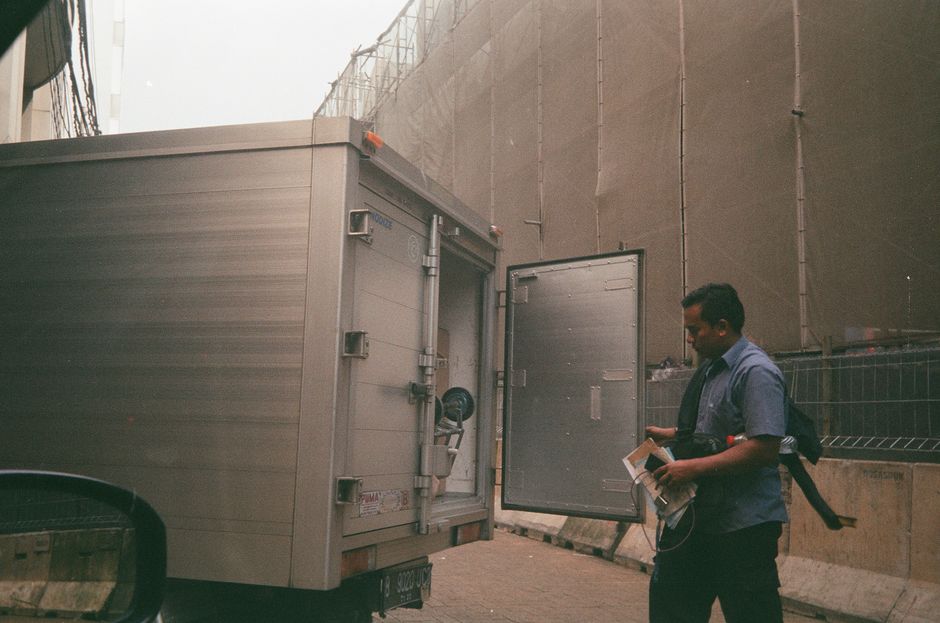
Event load-in sounds simple until you are the one standing at the service entrance with arrangements that need to be in place before the room turns over. In Marylebone, that challenge is often magnified by local realities: busy streets, restricted stopping, basement access, hotel-style reception desks, shared service lifts, and venue teams who quite rightly want deliveries handled neatly and quickly.
Flowers are also a time-sensitive product. They need protection from heat, cold, crushing, and unnecessary waiting. A bouquet that leaves the studio looking immaculate can lose its shape fast if it is left in a van too long or carried through a venue without a clear route. That is especially true for large event pieces, tall pedestal arrangements, and delicate wedding installations.
The real issue is not just getting flowers from A to B. It is getting them into the venue at the right time, through the right route, with the right paperwork, and with enough buffer to handle the small surprises that always happen. A porter changes shift. A lift is booked. A road closure appears. The back entrance is on the next street. The venue is lovely, but the access is a bit of a puzzle. That is normal in central London.
When those details are handled properly, the payoff is huge. The event team is calmer, the client feels looked after, and the flowers arrive fresh, in shape, and ready to do their job. If you want broader support for delivery timing and local fulfilment, it can also help to understand delivery arrangements and the range of options around flower delivery in Marylebone W1.
Expert summary: good flower logistics is not glamorous, but it is the backbone of a successful event. In a place like Marylebone, where access can be tight and timing can be unforgiving, the best floral outcomes usually come from the most boring thing of all: careful planning.
How Event Load-In Issues? Marylebone Flower Logistics Solved Works
At a practical level, event flower logistics is a sequence. It starts with understanding the venue, then matching the delivery method to the site conditions, and finally coordinating the exact handover so the flowers reach the right person at the right moment. Simple in theory. Slightly less simple in real life.
1. Venue access is checked first
Before anything is loaded, the venue needs to be understood properly. Is there a loading bay? Is there a lift big enough for tall arrangements? Can a van stop nearby without causing trouble? Will the flowers need to move through a public foyer, a courtyard, or a service corridor? These questions shape everything else.
2. The event schedule is matched to the delivery window
Flower installations often depend on a narrow time slot. You may have a room turn-round, a ceremony start time, or a corporate setup schedule that leaves no room for wandering around looking for the correct entrance. The load-in plan should fit the event timetable, not fight it.
3. Packaging and transport are chosen with the journey in mind
Not every arrangement travels the same way. Hand-tied bouquets, pedestal designs, table centres, and large feature pieces all need different support. The more fragile the flower work, the more important it becomes to reduce vibration, tilt, and temperature swings. A van load that is stacked carelessly is asking for trouble. Truth be told, flowers are a bit fussy about this, and they have every right to be.
4. Delivery handover is planned in advance
There is a big difference between "we will arrive sometime in the morning" and "we will arrive at the service entrance at 9:10 a.m. and call the venue contact on arrival." That kind of precision matters. Good event logistics includes names, contact numbers, access instructions, and a clear handover point.
5. Installation is coordinated on site
Once inside, flowers still need care. Installers should know where each piece goes, what needs to be styled on arrival, and what can wait until later. In venues with tight changeover windows, being able to place and step back quickly is a real advantage.
If you are planning a wedding specifically, you may also want to look at the venue-facing side of the process through wedding flowers in Marylebone W1 and related styles such as wedding table arrangements.
Key Benefits and Practical Advantages
A well-run load-in is not just about convenience. It changes the whole atmosphere of the event. You can feel it. The room is quieter, the team is less flustered, and the flowers arrive looking intentional rather than rescued from a small disaster.
- Freshness is protected: shorter waiting times and controlled handling help arrangements stay in good condition.
- Stress drops: venue teams and planners can focus on the event itself instead of chasing a missing delivery.
- Presentation improves: flowers arrive in better shape, so styling time is used on placement rather than repair.
- Fewer access problems: clear delivery instructions reduce delays at entrances, lifts, and loading points.
- Better timing: floral pieces can be installed within the event schedule instead of disrupting it.
- Less waste: careful transport reduces avoidable damage, which is good for budgets and sustainability too.
There is another benefit that gets overlooked: reputation. If you are a planner, a hotel, an EA, or a venue manager, the delivery process reflects on you. A smooth floral load-in makes you look organised, even if the morning has already been a bit mad. That matters more than people admit.
For clients balancing cost and presentation, it may also be useful to compare premium and value-led floral choices such as best flower delivery in Marylebone W1 and cheap flowers in Marylebone W1, depending on how much of the budget sits with logistics versus the arrangement itself.
Who This Is For and When It Makes Sense
This kind of flower logistics support makes sense for anyone whose event depends on a precise, attractive, and low-drama delivery. That includes a fairly wide range of people, actually.
- Wedding planners managing ceremonies, receptions, and multi-room setups.
- Corporate teams organising launches, press events, networking evenings, and client receptions.
- Private hosts arranging dinners, milestone birthdays, anniversaries, and house parties.
- Venue managers who need suppliers to respect access rules and timing.
- Funeral directors and families who need quiet, reliable placement and careful handling.
- Executive assistants and office managers dealing with VIP arrivals or recurring hospitality needs.
It makes particular sense when the venue has limited vehicle access, when the event starts early, when the display is large or expensive, or when there are multiple floral drops across the day. In those scenarios, a simple delivery service may not be enough. You need a plan, not just petals in a van.
For recurring business needs, corporate accounts can be useful for regular floral deliveries, recurring schedules, and streamlined invoicing. That can save a surprising amount of admin, which is never a bad thing on a Tuesday morning.
Step-by-Step Guidance
If you are organising event flowers in Marylebone, here is the practical sequence that usually works best. It is not fancy. It is just sensible.
- Confirm the venue access details. Ask for the delivery entrance, nearest stopping point, lift size, arrival restrictions, and the name of the contact on duty.
- Share the event timing. Include setup time, supplier access windows, service entry rules, and any room turnover issues.
- Choose flower designs that suit transport conditions. Some pieces travel better when compact or modular. Tall, open arrangements may need extra bracing.
- Agree the handover method. Decide whether the florist hands over to venue staff, a planner, or an on-site coordinator.
- Prepare the load-out at source. Keep arrangements grouped by destination, clearly labelled, and packed for the route they will actually take.
- Build in a buffer. In central London, a few spare minutes can save the day. Not always. But often enough.
- Install in the correct order. Place larger or more complex pieces first, then complete smaller accents and finishing touches.
- Check the final presentation. Water levels, card placement, petals, symmetry, and visibility all matter once the guests arrive.
A tiny detail can make a large difference. For example, a card placed too early can get damp or bent during installation. A stem left loose in transit can tilt a whole arrangement. These are small things, but small things become visible very quickly in a room full of people and phone cameras.
If you need bouquets or ready-to-send pieces alongside event work, options such as send flowers in Marylebone W1 and same day flower delivery in Marylebone W1 can help when the schedule tightens unexpectedly.
Expert Tips for Better Results
Experience teaches you that the best event deliveries are usually the ones with boringly good preparation. Here are the habits that tend to pay off.
- Use a single delivery brief. One clear document is better than a string of messages spread across WhatsApp, email, and memory.
- Label by room and placement. "Table 4" is better than "the small one for the corner."
- Keep all numbers current. The venue landline, the duty manager, the planner, and the building porter should all be easy to reach.
- Check weather and traffic early. A wet day in central London changes loading behaviour, and traffic near Marylebone can shift quickly.
- Protect fragile blooms. Lilies, hydrangeas, and large-headed roses need a steadier ride than many people realise.
- Think vertically and horizontally. Tall pieces need headroom; wide pieces need stable footing and room to turn.
- Leave yourself one small fallback. Extra ribbon, spare water, replacement blooms, or a backup route can save a lot of fuss.
One thing we notice often is that people over-focus on the flowers and under-focus on access. To be fair, the flowers are the pretty bit. But access decides whether the pretty bit arrives intact.
If the delivery is for an event with multiple categories of flowers, browsing by occasion can help with planning and staging. For example, luxury flowers, best sellers, and florist choice all suit different event styles and levels of risk tolerance.
Common Mistakes to Avoid
Most event flower problems are preventable. Not all, but most. And the repeated mistakes are usually very familiar.
- Assuming the venue will "just know". It rarely does. Even experienced sites need clear instructions.
- Leaving access questions too late. Discovering the loading bay rules on the day is a classic headache.
- Booking too close to the event start. If anything slips, there is no room to recover.
- Not accounting for lift size or stairs. A beautiful arrangement can become a logistical problem in seconds.
- Ignoring heat and cold exposure. A van parked in the wrong spot can affect delicate blooms surprisingly fast.
- Sending vague placement instructions. "Near the stage" is not enough when there are three stages, two side rooms, and a foyer.
- Forgetting wet handling risks. Water spills, damp packaging, and uneven carriage can damage both flowers and venue surfaces.
A slightly embarrassing but very real problem: one misplaced crate can block an entire service corridor. It happens. Usually when everyone is already in a rush. That is why route planning matters so much.
If the arrangement needs flowers posted or delivered in a smaller format, you may also want to compare flowers by post in Marylebone W1 with local hand delivery, because not every brief calls for the same approach.
Tools, Resources and Recommendations
You do not need a huge stack of equipment, but a few simple tools make event load-in much easier. In practice, the most useful kit is often the unglamorous stuff.
- Clear labels: for rooms, tables, and handover points.
- Delivery notes: printed and digital, with one primary contact and one backup contact.
- Protective packaging: water packs, flower boxes, stabilisers, and paper wraps where appropriate.
- Basic floral care supplies: clean snips, spare ribbon, towels, water containers, and a small stem refresh kit.
- Access notes: postcode, entrance description, nearby landmarks, security instructions, and lift dimensions if available.
- Timing buffer: not a tool in the literal sense, but maybe the most valuable one of all.
For product planning, it helps to work from reliable categories rather than improvising at the last minute. Seasonal and style-led options such as summer flowers, roses, and all flowers can make selection easier when you are matching visual tone with transport stability.
For recipient care after the event, simple guidance on flower care can be surprisingly useful, especially when arrangements are being reused, gifted, or taken home.
Law, Compliance, Standards, or Best Practice
Flower logistics for events is not usually about heavy regulation, but it still sits within a web of practical obligations and accepted standards. In London, that typically means respecting venue rules, building access procedures, noise limits, fire exits, and delivery restrictions. If a site asks suppliers to use a certain entrance, to sign in, or to keep a corridor clear, that is not a suggestion to be ignored. It is part of the working environment.
There are also broader best-practice expectations around health and safety, particularly where handling heavy arrangements, water containers, sharp tools, or glass vases is involved. Teams should work in a way that avoids blocking exits, creating trip hazards, or damaging surfaces. For larger events, it is wise to coordinate with venue staff so that flower placement does not interfere with catering, AV setup, or guest movement.
On the commercial side, transparent terms matter too. Clients should know what is included, what is time-sensitive, what happens if access is delayed, and how substitutions are handled if a flower is unavailable. Pages such as terms and conditions, guarantees, returns and refund, and privacy policy are part of that trust picture.
Sustainability is another growing expectation. It may show up in sourcing, packaging, transport efficiency, and waste reduction. If that matters for your event, it is worth reviewing sustainability alongside the delivery plan, because the most elegant solution is often the least wasteful one.
Options, Methods, or Comparison Table
Different event situations call for different delivery methods. The best choice depends on access, timing, flower size, and how much styling has to happen on site.
| Method | Best for | Pros | Trade-offs |
|---|---|---|---|
| Direct hand delivery | Small to medium events, bouquets, table flowers | Quick, simple, lower handling time | Less suited to complex installs or restricted venues |
| Planned event load-in | Weddings, launches, receptions, multi-piece displays | Better timing, clearer handover, more reliable presentation | Needs more coordination and venue information |
| Timed local florist delivery | Last-minute additions or local gifting needs | Flexible and fast, especially for city events | May not include full on-site styling |
| Pre-arranged multi-drop logistics | Events with several rooms or staggered starts | Efficient sequencing, less congestion | Requires strong route planning and contact management |
For many Marylebone events, planned load-in is the strongest option because it matches the reality of central London access. Straightforward flower handover can be fine for small gestures or intimate gatherings, but once the brief grows, so should the logistics.
Case Study or Real-World Example
Picture a spring corporate reception in Marylebone. The client wants a polished entrance display, several table arrangements, and a statement piece in the main room. The venue has a service entrance on a side street, the lift is shared, and setup must happen after an earlier daytime booking clears out. Nothing dramatic, but enough moving parts to keep everyone alert.
The first thing done is a proper access check. The delivery team confirms the service door, the security desk procedure, the best nearby stopping point, and the exact handover contact. The arrangements are loaded in grouped by room, with the largest piece travelling last so it can be placed quickly. The van arrives a little early, just enough to absorb a small traffic delay without disturbing the schedule.
At the venue, the team avoids the public lobby entirely and uses the service route, which keeps the process calm and tidy. Table flowers are installed first because they need a bit of time to settle. The statement piece is assembled close to its final position, which prevents unnecessary movement through narrow spaces. The whole thing lands smoothly. Not perfect in the cinematic sense, maybe, but exactly right in the practical sense.
The useful lesson is simple: the flowers themselves were only half the job. The rest was access, sequencing, and communication. That is the part many people underestimate.
Practical Checklist
Use this before any Marylebone event flower load-in. It saves headaches. Honestly, more than once.
- Venue name, full address, and postcode confirmed
- Primary contact and backup contact saved
- Access route and delivery entrance checked
- Vehicle stopping point confirmed
- Lift, stairs, and corridor limitations reviewed
- Arrival time and setup window agreed
- Placement plan finalised by room or table number
- Flower packaging suitable for travel conditions
- Water, towels, and basic care tools packed
- Special instructions for security, reception, or porterage noted
- Backup plan in case of delay, traffic, or venue hold-up
- Final presentation check scheduled after installation
If a single item here is missing, things can still work out. But the more boxes you can tick, the less likely you are to end up doing a last-minute jog through a side entrance with a half-balanced vase. Which, let's be honest, nobody wants.
Conclusion
When people say a floral event "went well," they usually mean the room looked lovely and nobody noticed the chaos behind the scenes. That is exactly the point. Event load-in should feel invisible when it is done properly. In Marylebone, where access is often the real challenge rather than the flowers themselves, careful logistics make all the difference.
Get the route right, get the timing right, and get the handover right. Do those three things and even a complicated install starts to feel manageable. The flowers can then do what they were meant to do: soften a room, elevate a moment, and help the event feel memorable for the right reasons.
Get a free quote today and see how much you can save.
And if you are planning the next event already, that is a good thing. The best floral jobs usually begin before the van even starts the engine.
Frequently Asked Questions
What does event load-in mean for flowers?
It means the process of bringing floral arrangements into a venue, usually through a specific route, at a specific time, and placing them where they need to go without disrupting the event setup.
Why is Marylebone harder for flower deliveries?
Marylebone can involve tight streets, restricted stopping, shared service entrances, busy venues, and limited loading time. None of that is unusual in central London, but it does require planning.
Can flowers be delivered and installed on the same day?
Yes, often they can. In fact, same-day delivery is common for many event and gifting needs, provided the venue access and timing are clearly agreed in advance.
What information should I give before an event flower delivery?
Give the full venue address, contact names, access instructions, arrival window, lift or stair details, and any rules about where the delivery should be taken.
How do you keep flowers fresh during load-in?
Use suitable packaging, avoid long waiting times, protect arrangements from heat and cold, and reduce unnecessary movement. The less handling, the better.
Are large floral displays more difficult to deliver?
Usually, yes. Larger pieces need more space, more stability, and more careful timing. They can still travel well, but they need a stronger logistics plan.
What if the venue cannot accept deliveries early?
Then the delivery window needs to be adjusted, or the installation plan needs to include a buffer. If access is restricted, it is better to know that before the day, not during it.
Is it better to choose local delivery for event flowers?
In many cases, yes. Local delivery can reduce travel time, protect freshness, and make coordination easier, especially for time-sensitive events in central London.
How much does event flower logistics cost?
It varies depending on the size of the order, the complexity of the venue access, the installation time, and whether multiple drops are needed. A clear brief is the best way to get a sensible quote.
What flowers travel best for event setups?
Compact, sturdy arrangements often travel more easily than very open or oversized designs. That said, many flower types can work well if they are packed and handled properly.
Do I need to think about compliance for flower deliveries?
Yes, in a practical sense. Venue rules, access procedures, health and safety, and clear handover instructions all matter. It is less about paperwork for its own sake and more about keeping the event smooth and safe.
Can I order event flowers and gift flowers from the same florist?
Absolutely. Many clients combine event arrangements with personal bouquets or after-event gifting. It can be efficient to source both through one trusted supplier, especially when timing is tight.
What is the biggest mistake people make with event load-in?
The biggest mistake is assuming there will be enough time and access without checking. Most delivery problems start with a missing detail, not a dramatic failure.
When should I book flower logistics for a Marylebone event?
As early as possible, especially for weddings, corporate functions, or multi-room events. Early booking gives you better control over timing, availability, and access planning.
What is the best next step if I am not sure what I need?
Start with the venue details and your event timing. Once those are clear, it is much easier to choose the right flowers, the right delivery method, and the right installation plan.